MOST POPULAR AFRICAN FOODS & BEVERAGES

MAIN INGREDIENTS










Alloco
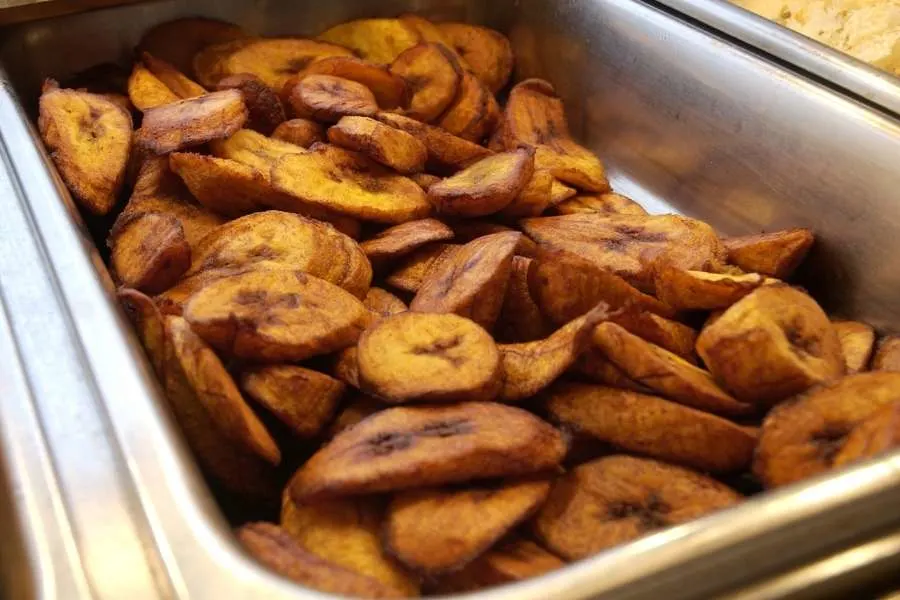
Alloco is a popular street food consisting of ripe plantains cut into small slices, then fried and salted in palm oil, served alongside a spicy sauce prepared using onions and chili.
The dish gets its name from the Baoulé (an Akan ethnic group in the Eastern Ivory Coast) word for loko, which indicates when a plantain is ripe.
Alloco can be consumed alone as a snack and is often accompanied by crushed chilli and braised chicken, a hard-boiled egg or freshly grilled fish and a side dish.
Attiéké
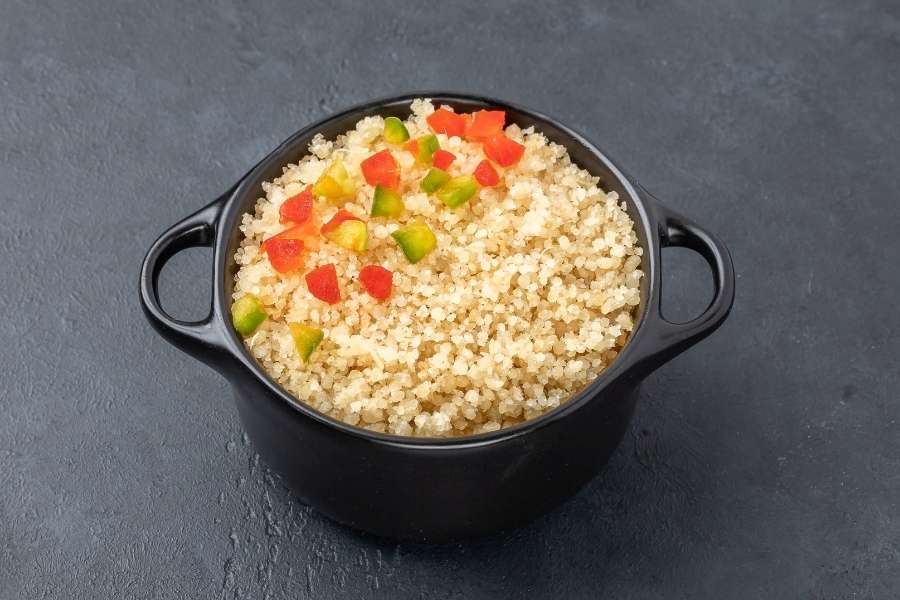
Attiéké is a dish prepared using grated cassava that has a similar taste and consistency to couscous. It is considered to be one of the most widely consumed dishes in Côte d’Ivoire, particularly in Abidjan.
Attiéké is generally accompanied by braised fish or meat, plantain, couscous and cassava. There are many variations of the dish that have developed over the years. Some of the best known include abgodjama, attiéké petit grain and garba attiéké.
Kedjenou
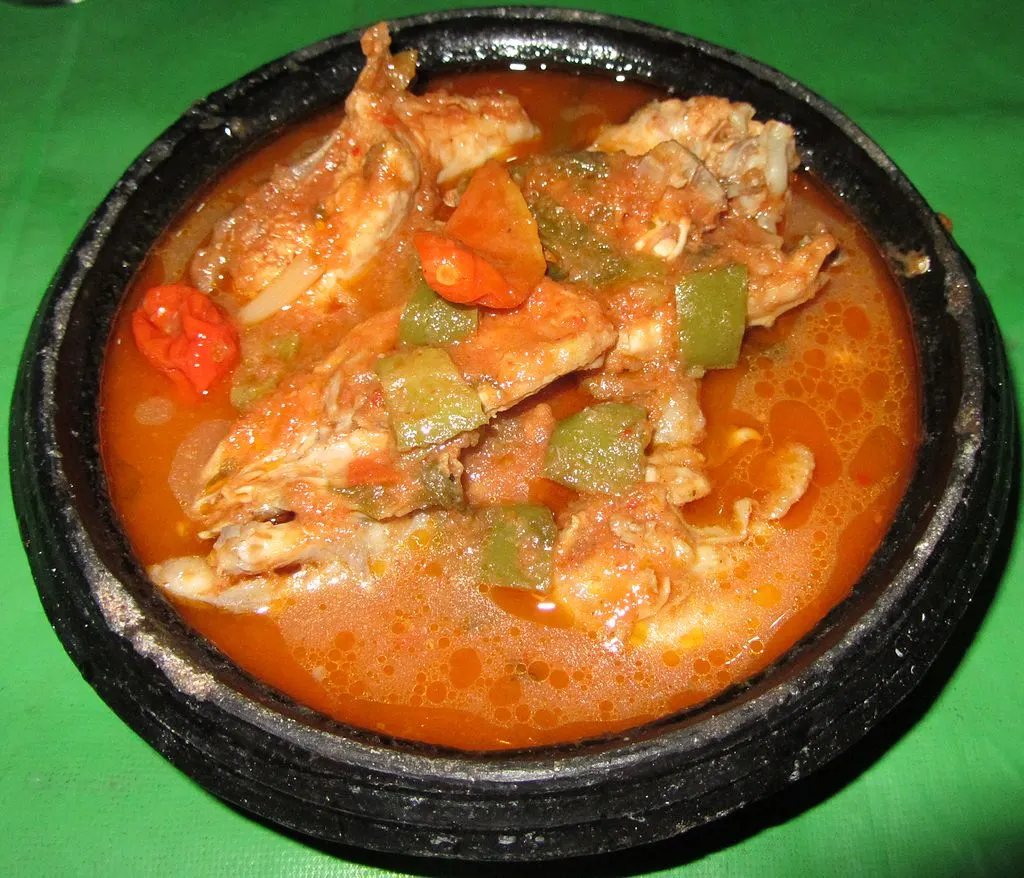
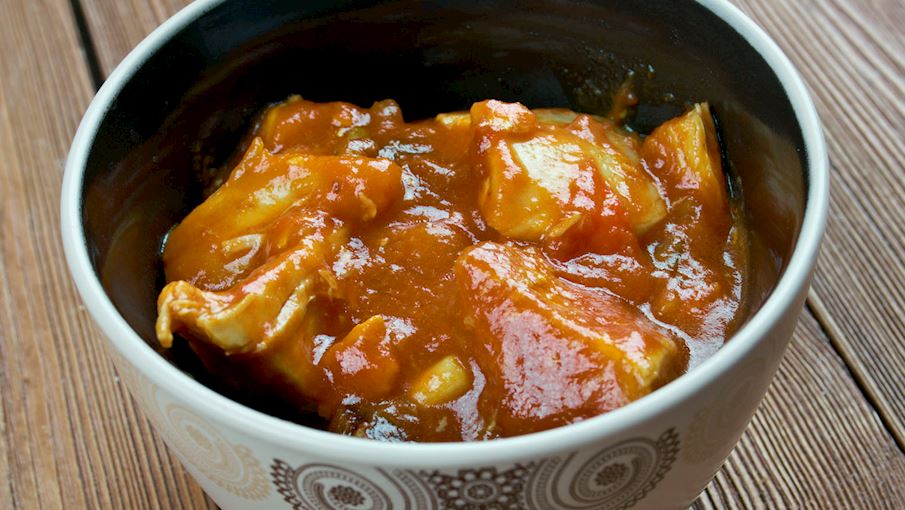
Kedjenou is a dish prepared by slowly cooking chicken and vegetables in a clay pot. The dish is cooked without water or oil and is then served along with rice or attiéké. The vegetables tend to cook in their own water and chicken fat.
The dish is believed to have originated from the centre of the country and is typically cooked in a canari (a special pot made of clay). However, the recipes followed to prepare this dish differ from household to household. For example, the Baoulé (an ethnic group located in the centre of Ivory Coast) use banana leaves to cover the canari during cooking.
Fufu
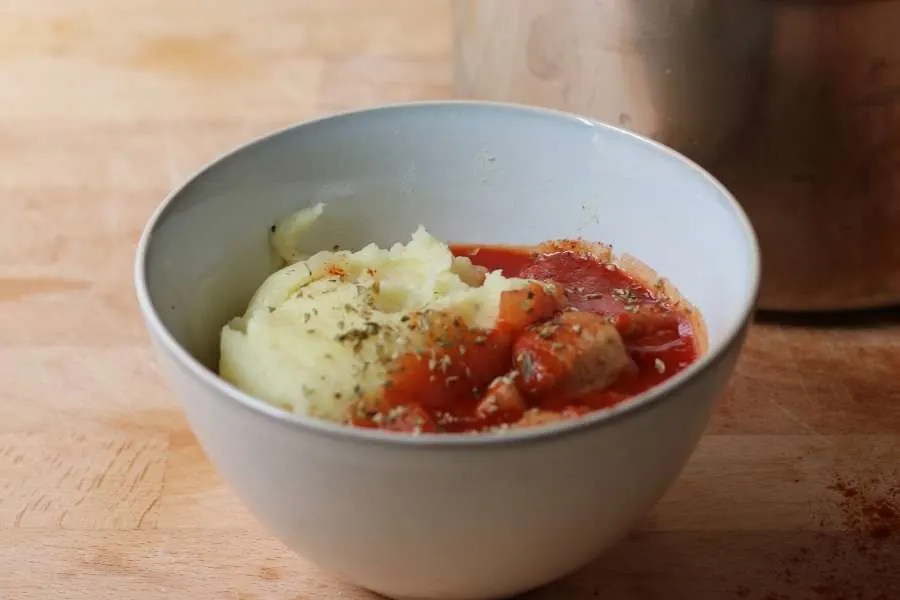
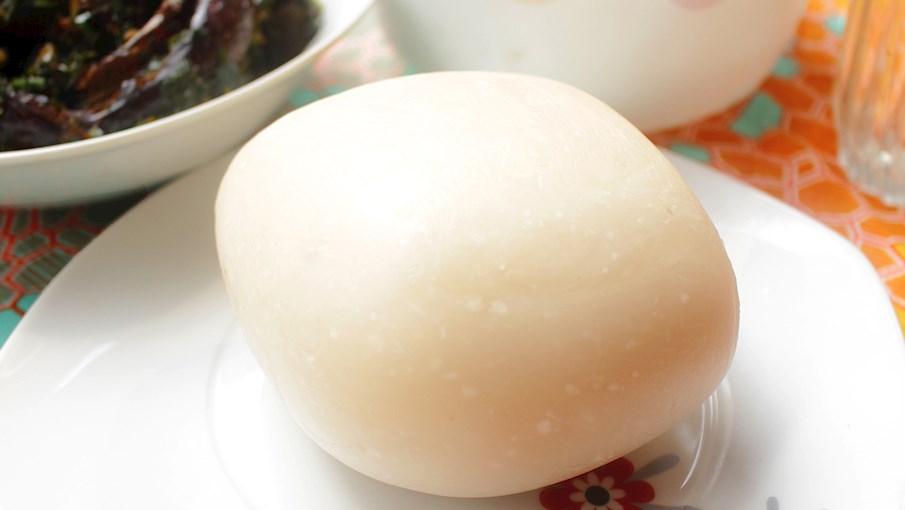
Fufu is a type of huge dumpling prepared using a mixture of cassava and green plantain flour. Both the ingredients are combined in equal portions with water and then cooked on a pan over a low flame. The prepared mixture is then moistened using lukewarm water and shaped into a ball. It is eaten with fingers and is used to scoop up other foods on the plate, particularly sauces and soups.
Considered to be the national food of the Ivory Coast, fufu is a staple dish of many other countries throughout Africa.

Commentaires
Enregistrer un commentaire